Somali-led, women-focused, established 2026
Empowering Women. Transforming Livelihoods. Building a Prosperous Somalia.
Somali women already do the work. SWEEF connects that capability with the skills, assets, finance, enterprises and markets that turn it into lasting income.
Why SWEEF exists
Not a lack of capability. A lack of access.
Somali women carry a substantial share of the country’s productive work — in fisheries, farming, livestock, trade and processing — yet remain excluded from the finance, assets, markets and institutions that would let that work generate real income.
SWEEF was established on 1 September 2026 to close that gap.
These describe how the Foundation is constituted and what it is mandated to do. SWEEF has not yet delivered programs, and publishes no performance figures.
The integrated economic empowerment model
Seven stages, delivered together.
Training alone rarely changes income. Skills convert into earnings only when assets, finance, markets and institutions arrive at the same time, so no participant is left at a stage she cannot move beyond.
- 01
Skills
Competencies the market actually values.
- 02
Assets
Control of the tools and technology the work requires.
- 03
Finance
Safe savings and appropriate, affordable capital.
- 04
Enterprise
Viable businesses that can be formalised and grown.
- 05
Market access
Reliable sales into value chains at fair prices.
- 06
Income
Higher, steadier earnings, and jobs for other women.
- 07
Resilience
The capacity to absorb and recover from shocks.
A woman who is trained but has no equipment cannot produce. A woman who produces but cannot reach a buyer cannot sell.
Because the barriers are connected, addressing one alone rarely produces durable change. This is the single most important reason SWEEF does not run stand-alone training programs.
Where we work
Ten sectors, deliberately connected.
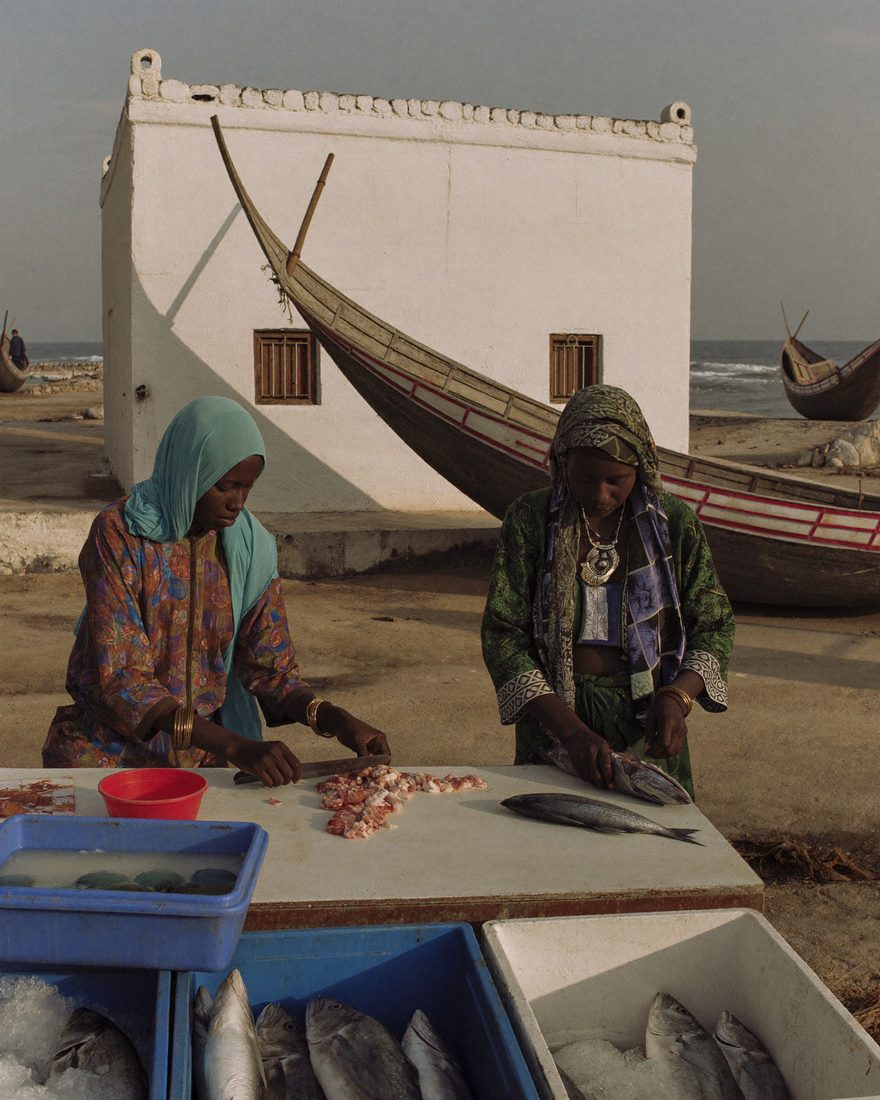
A woman supported in fisheries may also need skills, finance, processing capability and a buyer. SWEEF is structured to deliver across those boundaries.
Women, enterprise and markets
Not beneficiaries. Producers, traders and employers.
SWEEF works to place women where the value is: in processing rather than raw sale, in aggregation rather than isolated supply, in ownership rather than casual labour.
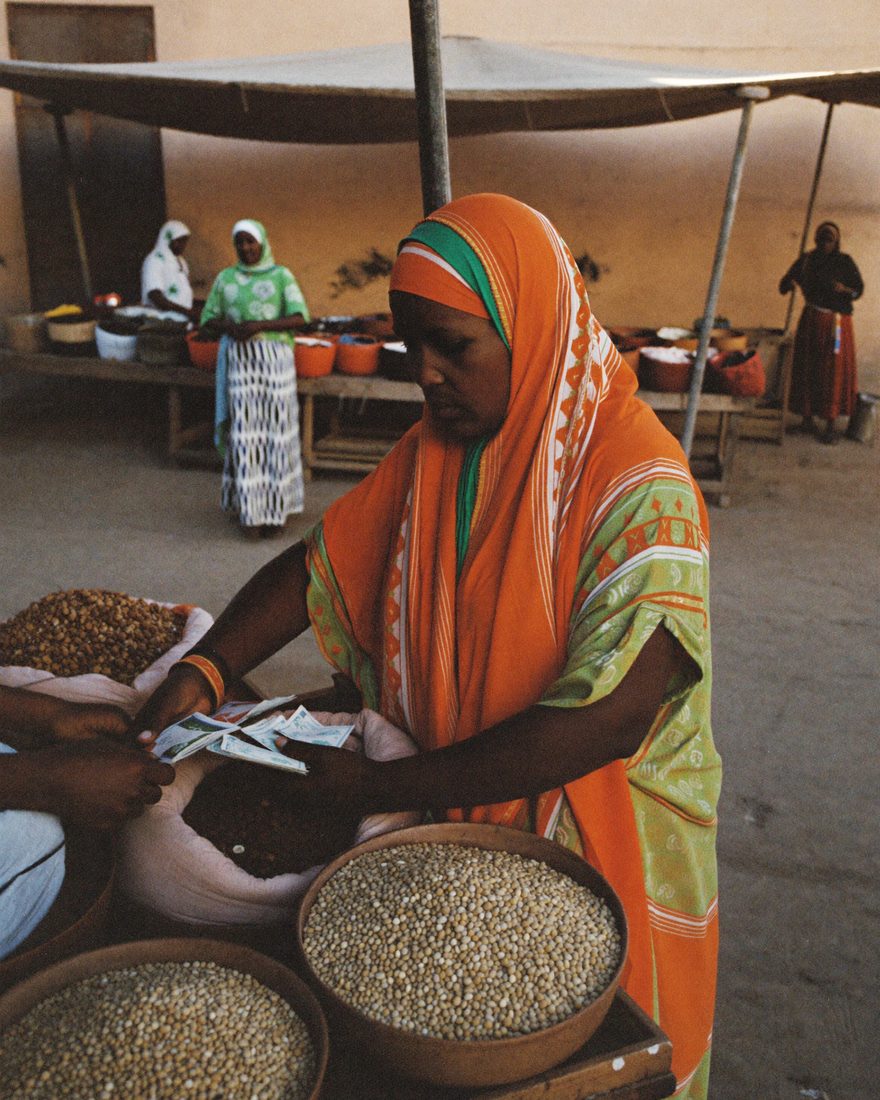
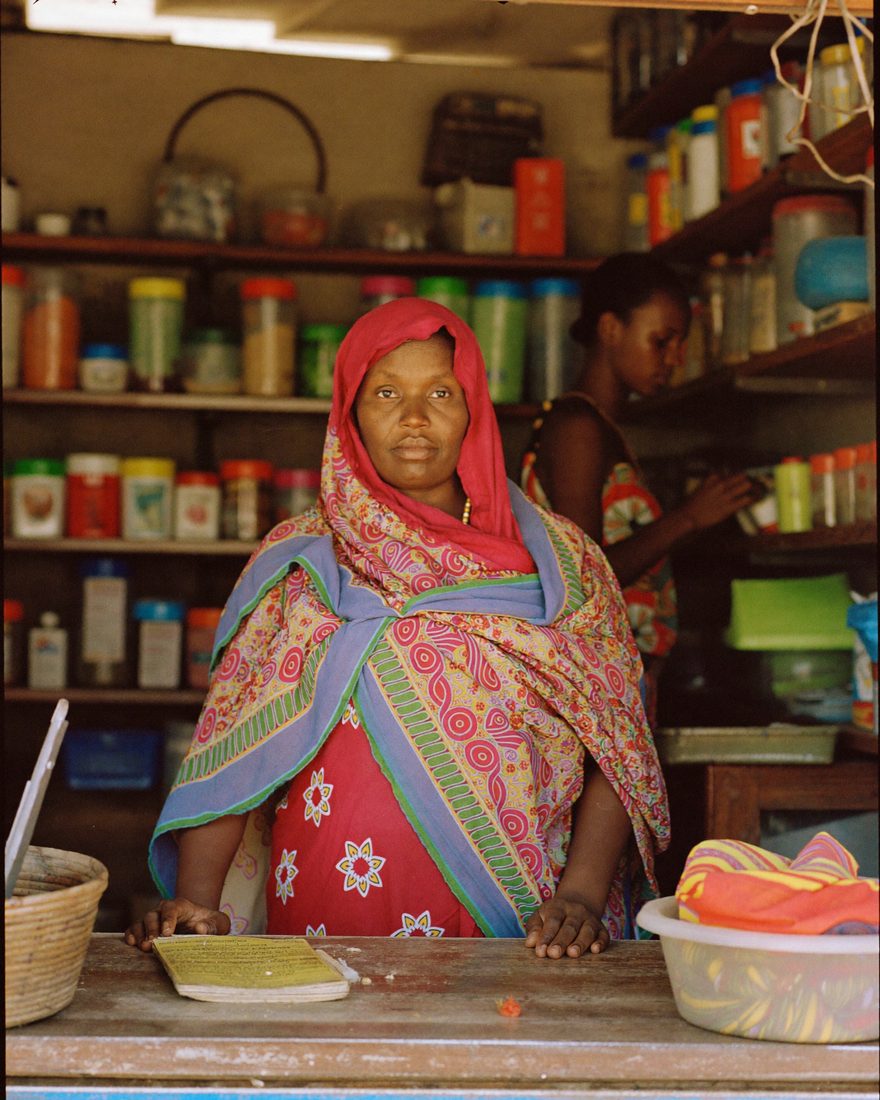
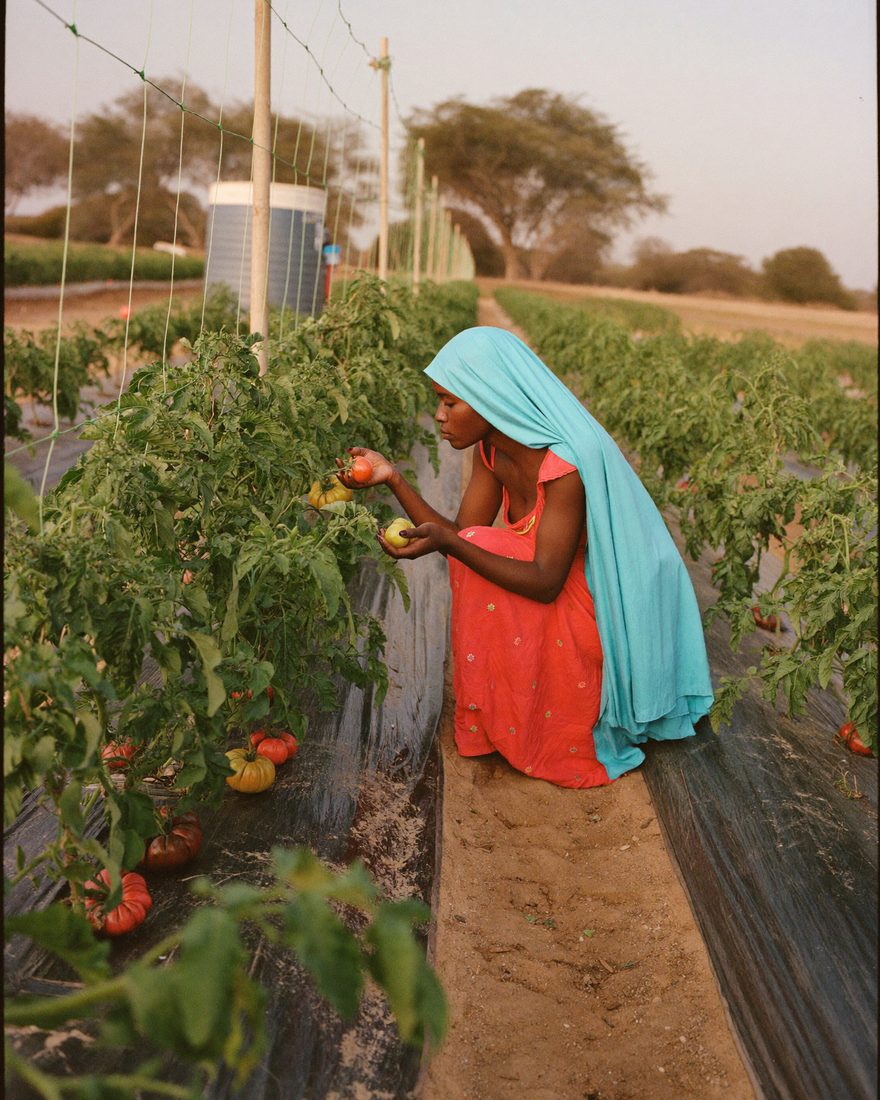
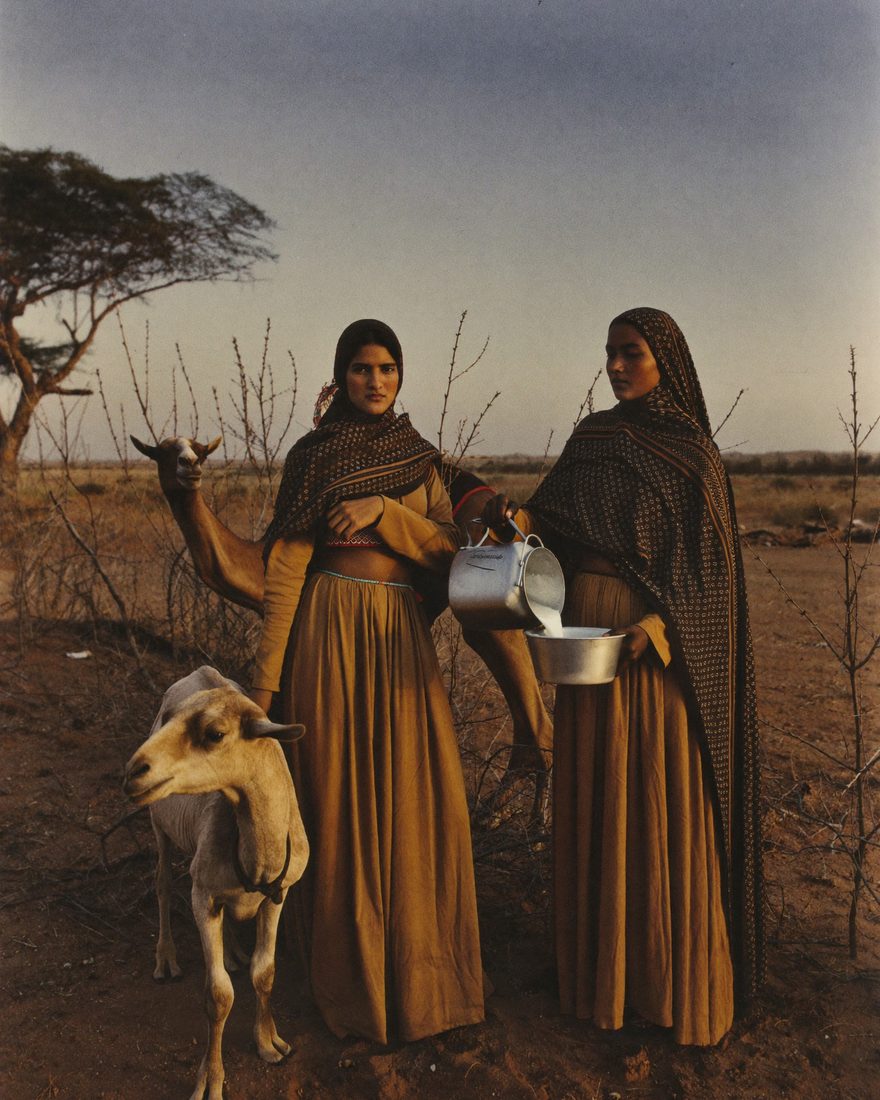
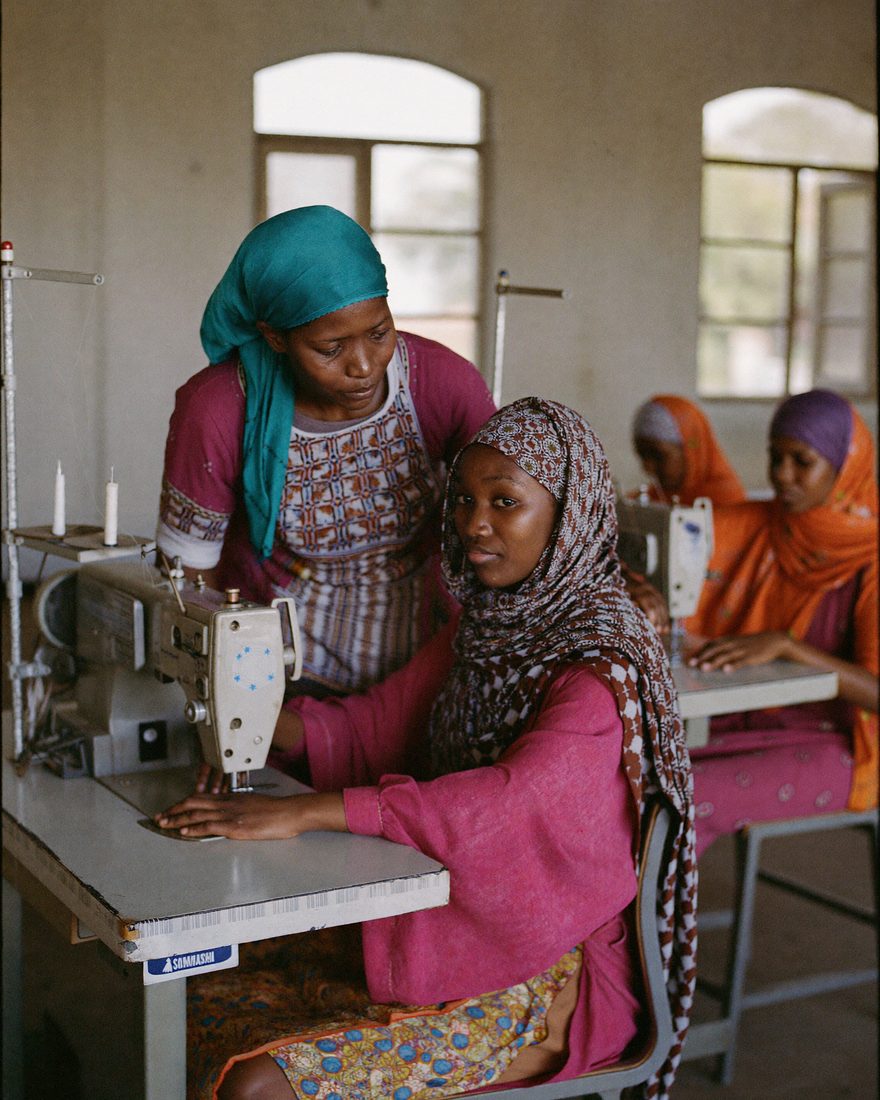
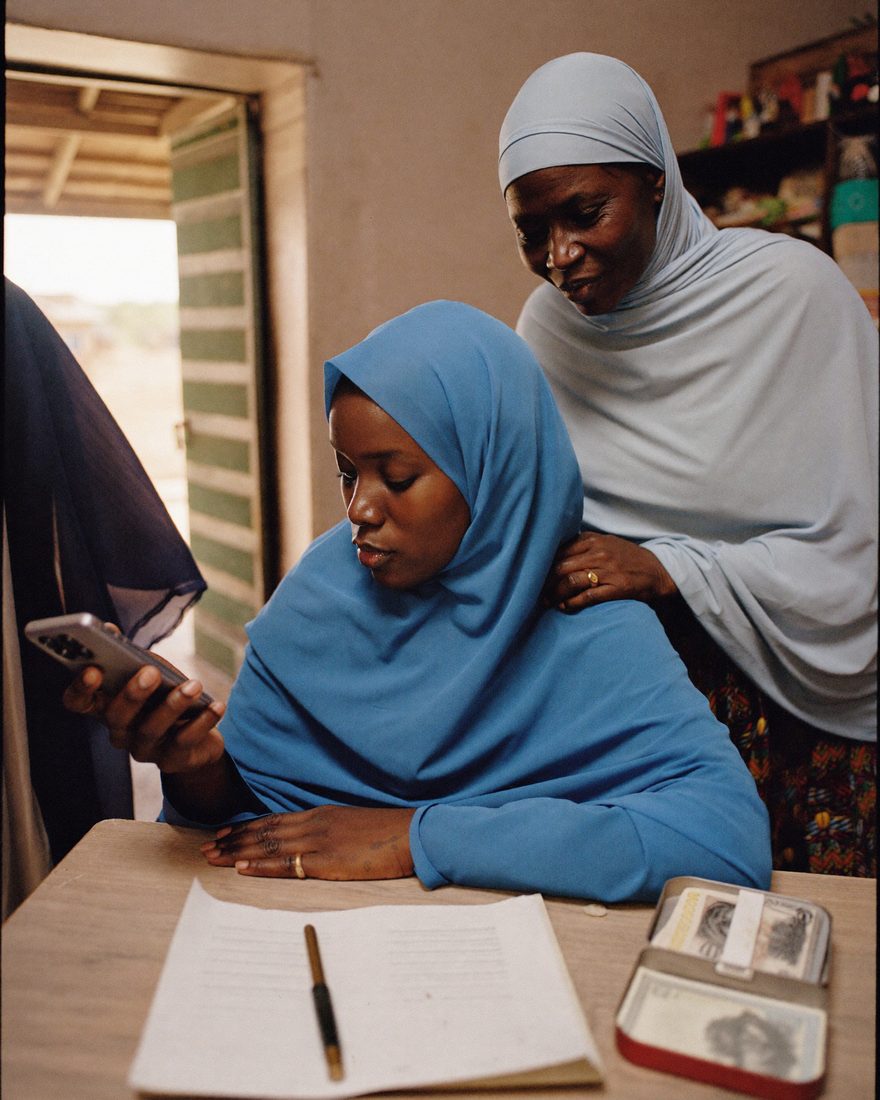
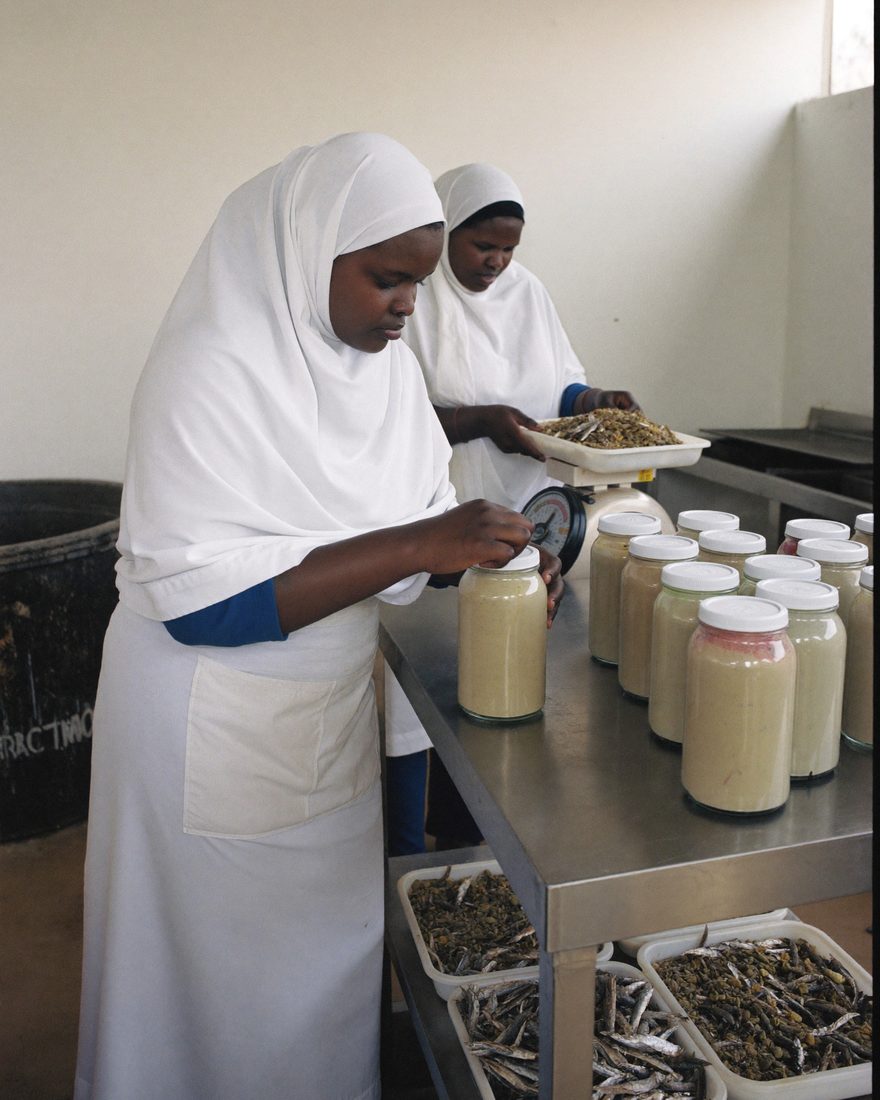
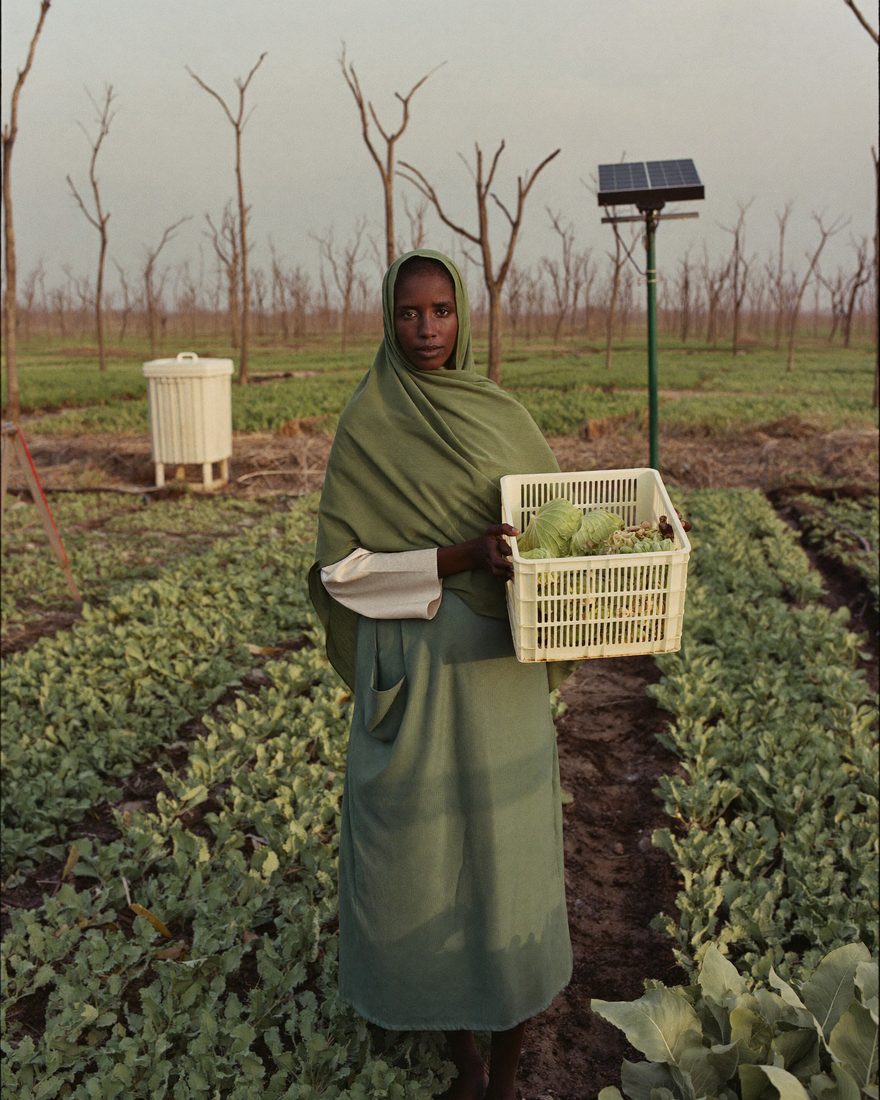
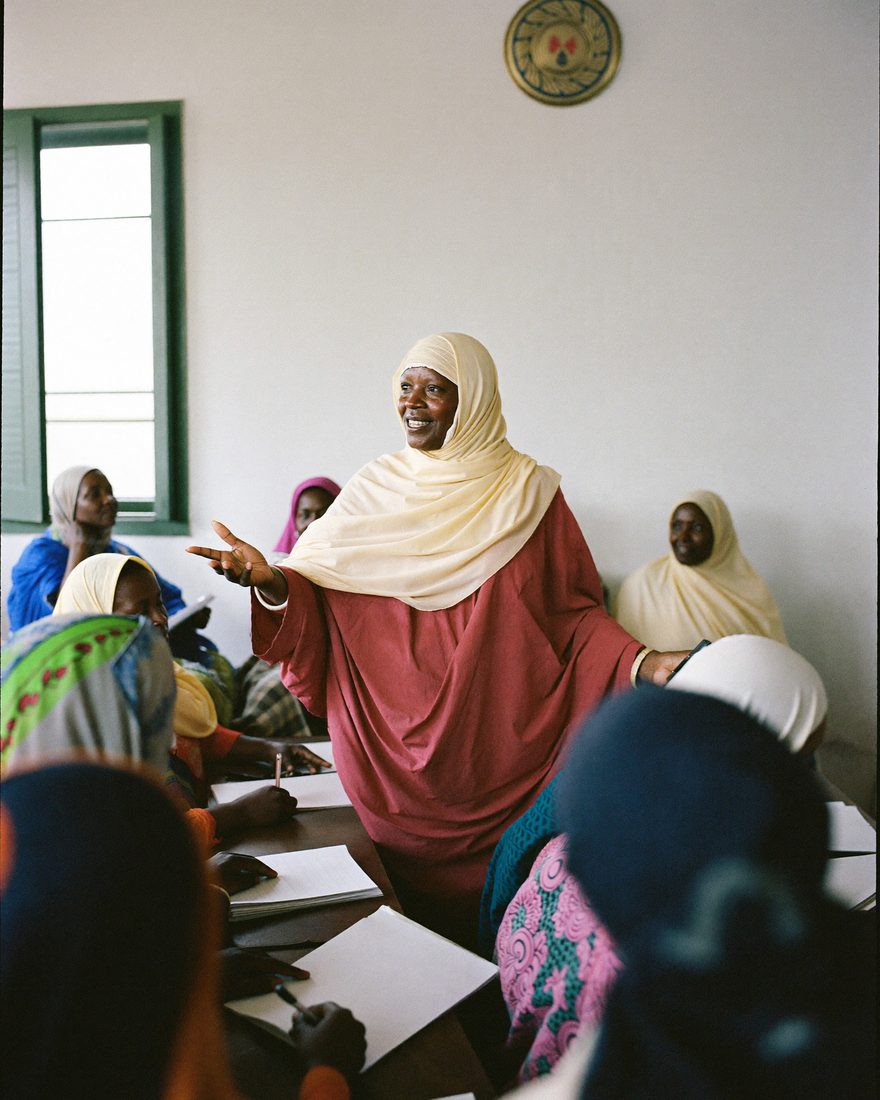
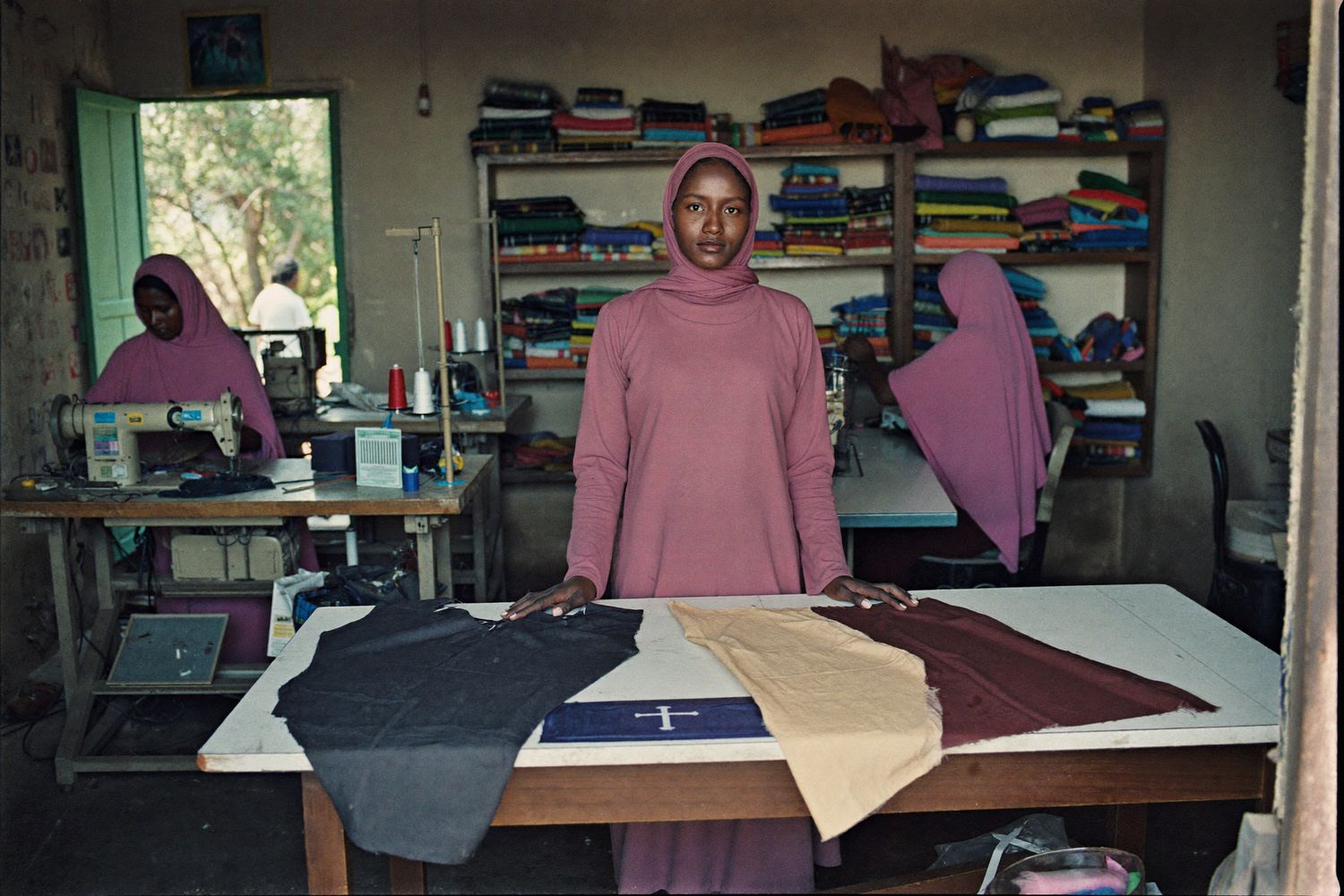
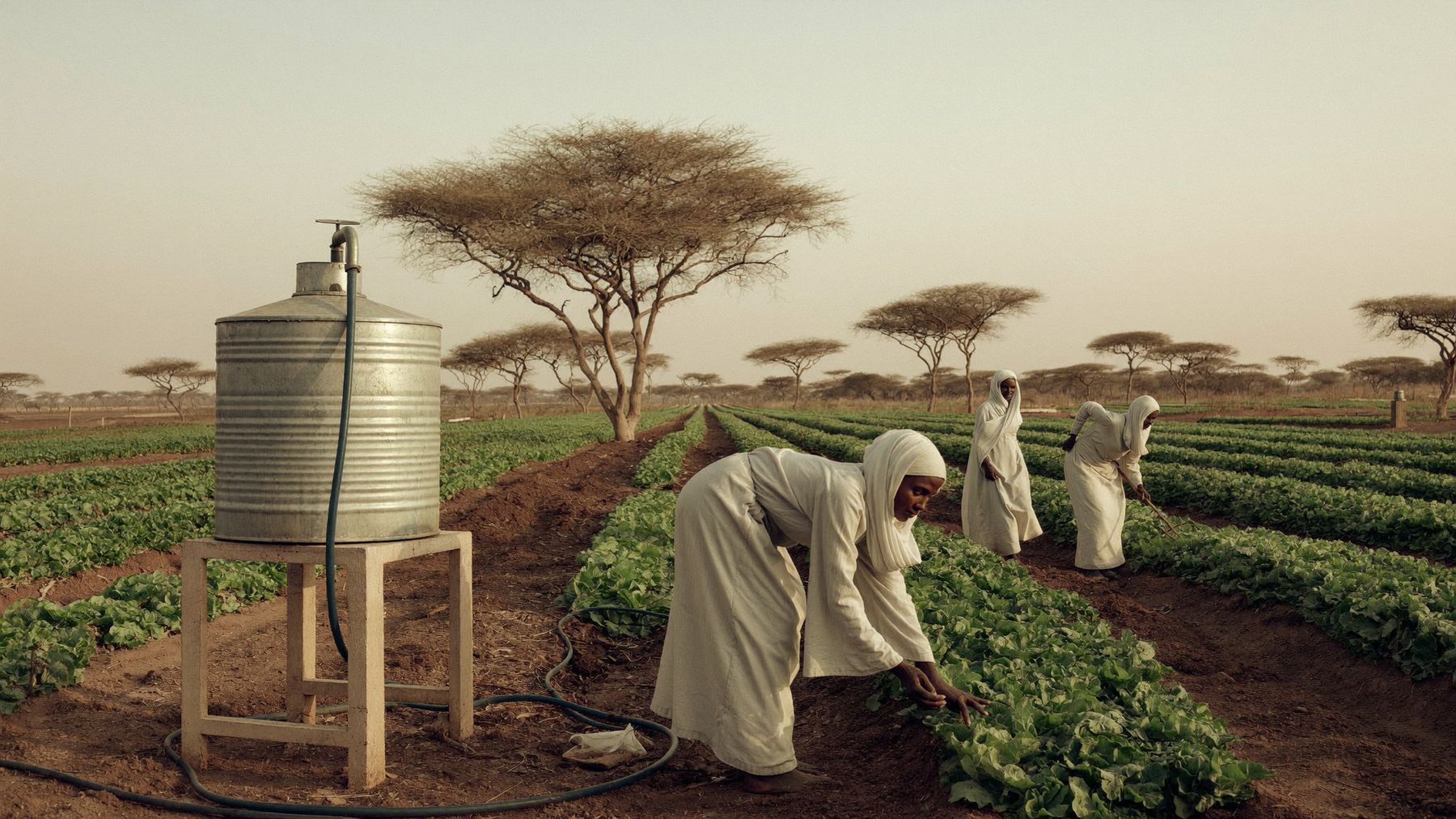
Photography illustrates the sectors SWEEF works in. It does not depict program participants or results.
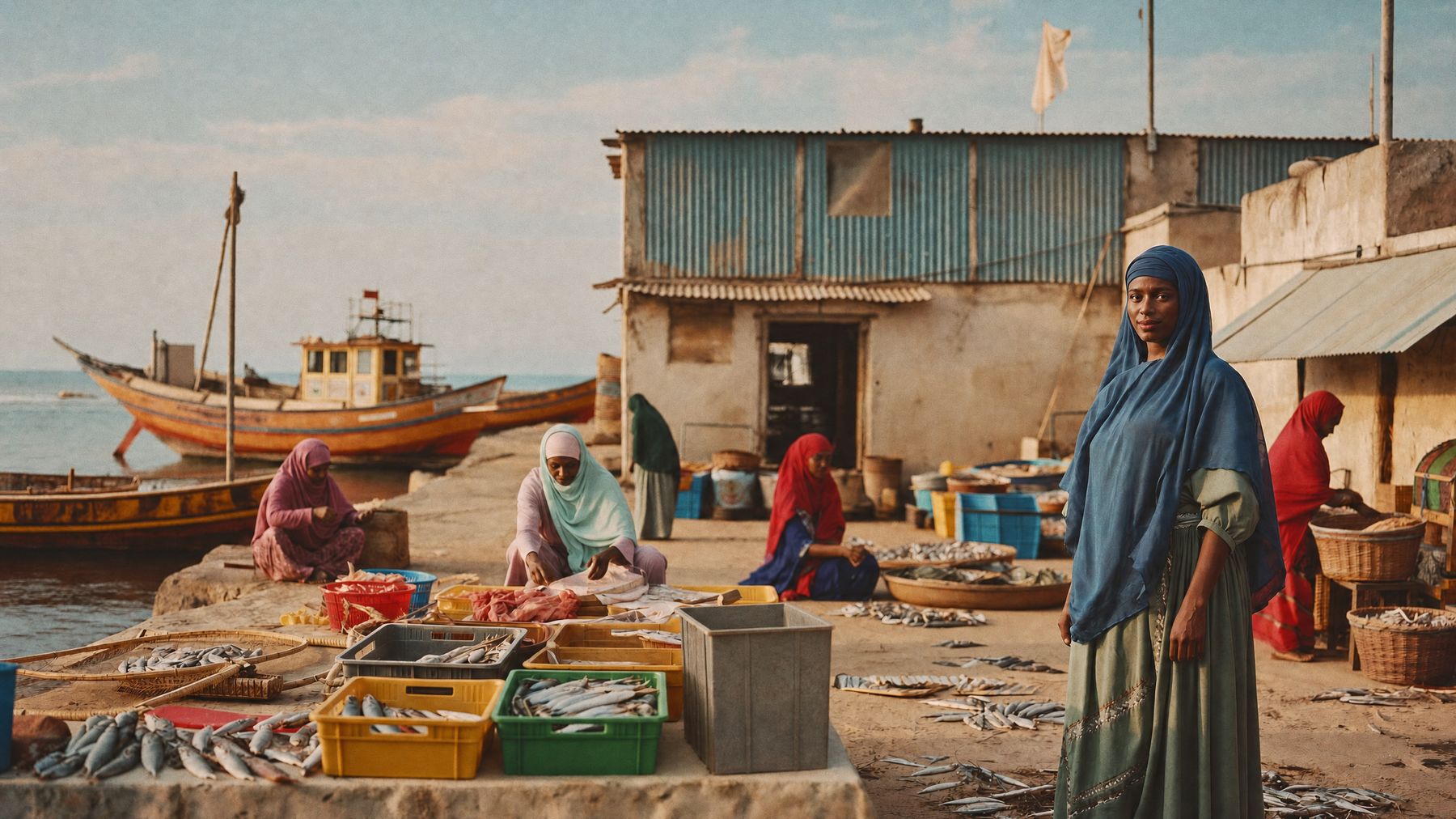
Climate resilience
A livelihood that cannot survive drought is not a livelihood.
SWEEF treats climate resilience as an economic question, not an environmental add-on. A programme that raises a woman’s income and leaves her exposed to the next failed rains has not finished its work.
Geographic coverage
One of Africa’s longest coastlines.
SWEEF works across urban, peri-urban, rural, agricultural, pastoral and coastal communities, which is why fisheries sits alongside agriculture and livestock in the sector mix.
Establishment and demonstration
Prove evidence-based models in selected priority locations, and build the systems to run them.
Expansion and scale
Extend what demonstrably works, adapted to each new context rather than replicated unchanged.
Priority locations are confirmed as programs are funded. SWEEF does not name a district it does not yet work in.
Partnerships & alignment
Partnership is the operating model.
Women’s economic empowerment cannot be delivered by one organization. Partnership is how SWEEF secures technical depth, market access, financing and scale.
Eleven partner categories
- Government institutions
- UN agencies
- International NGOs
- National NGOs & CSOs
- Donors
- Banks & microfinance
- Private sector & buyers
- Research & academia
- Women’s cooperatives
- Community & youth
- Technology providers
Twelve Sustainable Development Goals
- SDG 1 No Poverty
- SDG 2 Zero Hunger
- SDG 4 Education
- SDG 5 Gender Equality
- SDG 8 Decent Work
- SDG 9 Industry
- SDG 10 Inequalities
- SDG 12 Production
- SDG 13 Climate
- SDG 14 Below Water
- SDG 15 On Land
- SDG 17 Partnerships
Work with SWEEF
Somalia’s economy cannot transform without women.
The Foundation is seeking partners across government, development, finance and the private sector as it moves from establishment into delivery.